Are you constantly tired? Do you wake up with aches and pains? Perhaps it’s time to replace your mattress. Fun fact: experts recommend changing your mattress every 8 years. When was the last time you replaced your mattress?
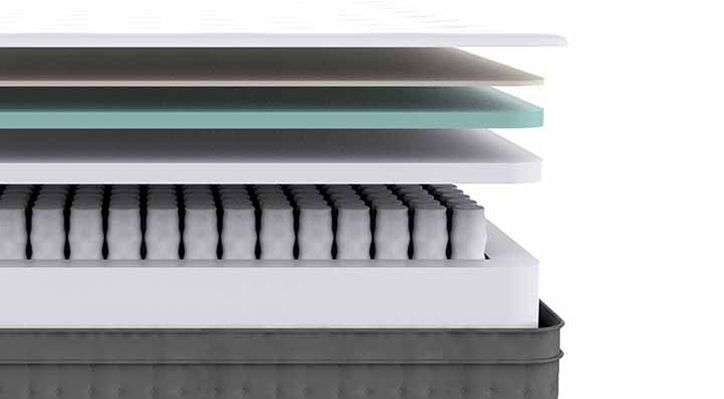
Like so many things in life, when shopping for a mattress, it’s what’s inside that counts. Quality is found in the details. Let’s explore the 3 key layers that make up a quality mattress.
Key Layer — The Support Layer
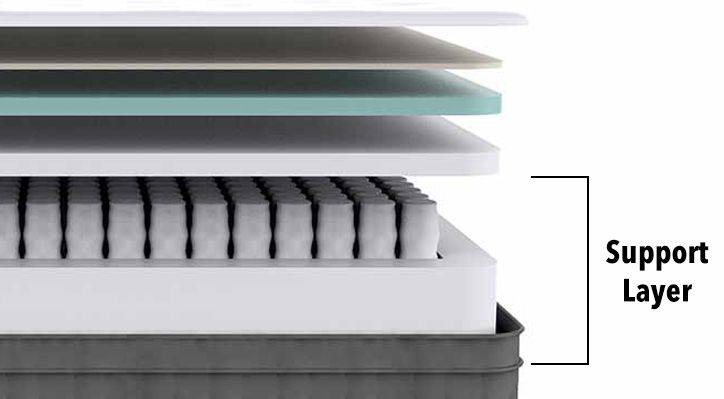
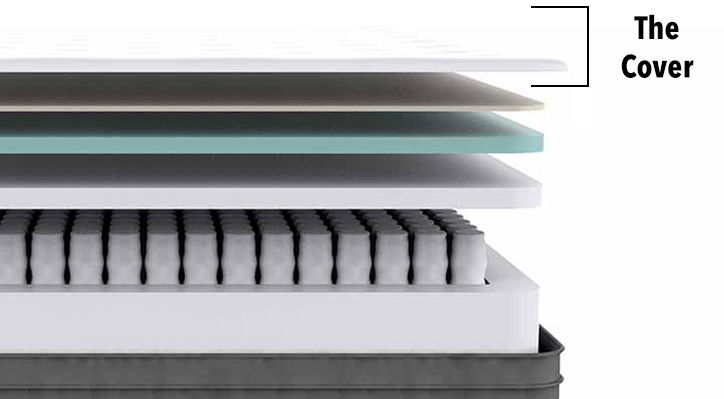
This is the main part of your mattress — the section that gives your body the support it needs. There are three main options when it comes to the support layer: innerspring, foam, and hybrid.
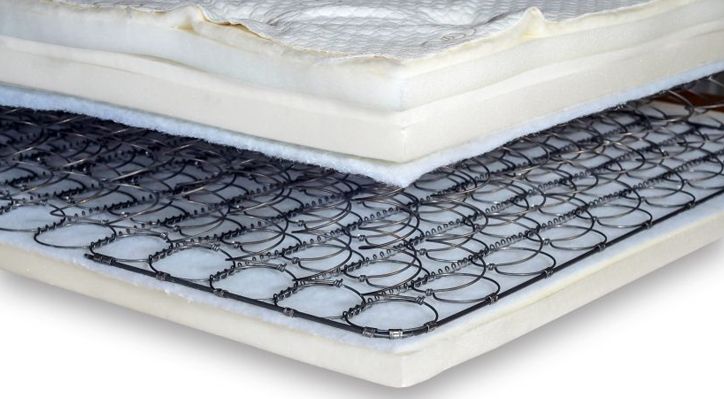
Innerspring Mattresses
Innerspring mattresses are the traditional support system. They’re made up of a layer of coils surrounded by layers of comfort material that consist of latex, natural fibres, or foam. Different types of spring mattresses use different coil types and layouts to achieve different effects. Spring mattresses are often the best choice for stomach and back sleepers, those with lower back pain, and heavier individuals who find foam mattresses don’t offer sufficient support.
Advantages: solid back support; wide range of firmness; budget-friendly options available.
Disadvantages: can wear out quicker than foam; older springs can become noisy; offer less pressure relief on joints.
Foam Mattresses
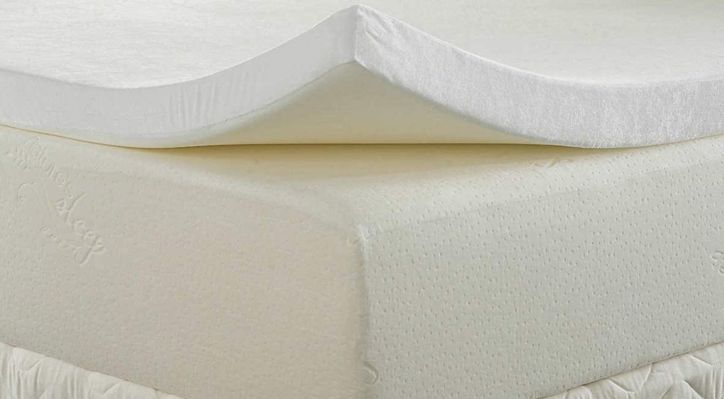
Popularized by NASA in the 70s with the invention of memory foam, foam mattresses rely on different combinations of density foams to provide softness and support. Foam mattresses are often the best choice for side sleepers and those who experience joint pain and discomfort.
Advantages: softer on side sleepers and those with joint pain; absorbs motion of restless sleepers; lack of springs eliminates noise; more durable than spring mattresses.
Disadvantages: certain foams trap body heat; softness can cause “sinking” feeling; insufficient support for certain types of sleepers; normally more expensive.
Hybrid Mattresses
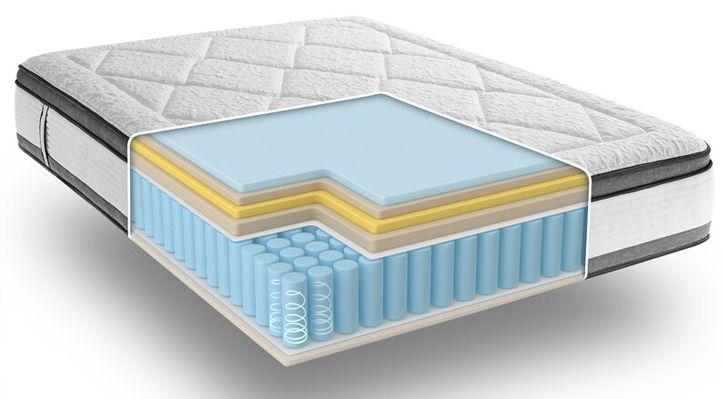
Some mattresses are offered as a hybrid composition which includes layers of both springs and foam. Hybrid mattresses can be a great option for those whose preferences fall in the middle of what spring and foam mattresses can provide. Hybrid mattresses are often the best choice for couples and those who prefer the support of a spring mattress combined with the comfort of a softer option.
Advantages: softer than springs without the “sinking” feeling; offers pressure-point relief without compromising on support; quieter than spring mattresses; regulates temperature better than pure foam mattresses; works for couples with different firmness preferences.
Disadvantages: hybrid mattresses can be expensive; doesn’t absorb motion as well as foam.
Key Layer — The Comfort Layer
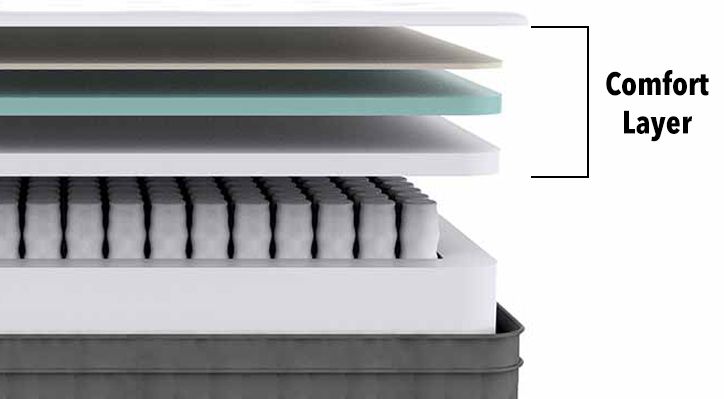
The comfort layer makes up the first few inches of the mattress surface. This layer can be made of a variety of materials with varying depths, all designed for luxury and cushioned for comfort: memory foam, latex, gel-infused foam, and natural fibres.
Memory Foam
Memory foam delivers outstanding comfort, support, and pressure relief. Since memory foam adapts to your unique shape and movements, you can truly enjoy a tailor-made sleep experience. Aching joints will be gently cushioned and carefully supported.
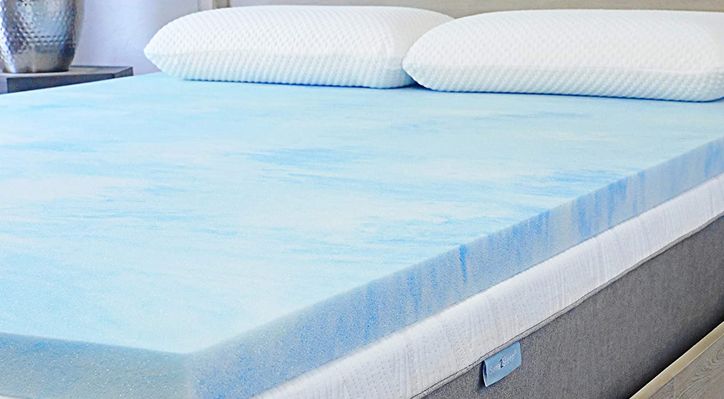
Latex
Latex is the soft white substance found beneath the bark of a rubber tree. Remarkably responsive, latex naturally contours to your unique body shape, making it feel like you are sleeping on a cloud. Natural latex offers exceptional comfort and support which helps to soothe aches and pains while providing pressure-point relief.
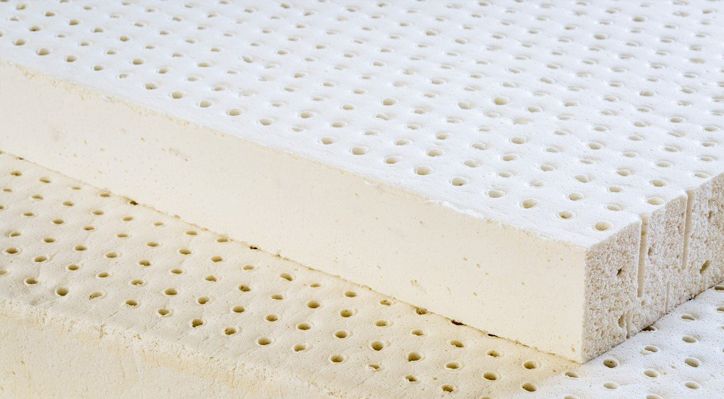
Gel-Infused Foam
Gel-infused foams are the perfect option if you’re looking for all the benefits of a foam mattress, but with a built-in cooling effect. The addition of gel microbeads creates a more breathable foam, helping to regulate your body temperature while you sleep.
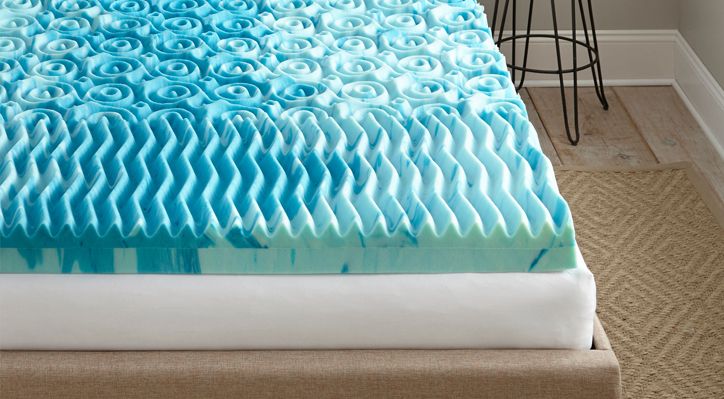
Natural Fibres
Naturally hypoallergenic and breathable, natural fibres include materials like cotton, wool, or silk and provide a fresher, healthier night’s sleep.
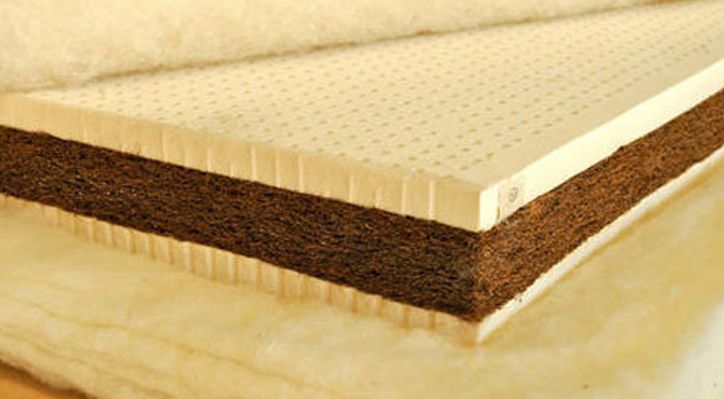
Key Layer — The Cover (Ticking)
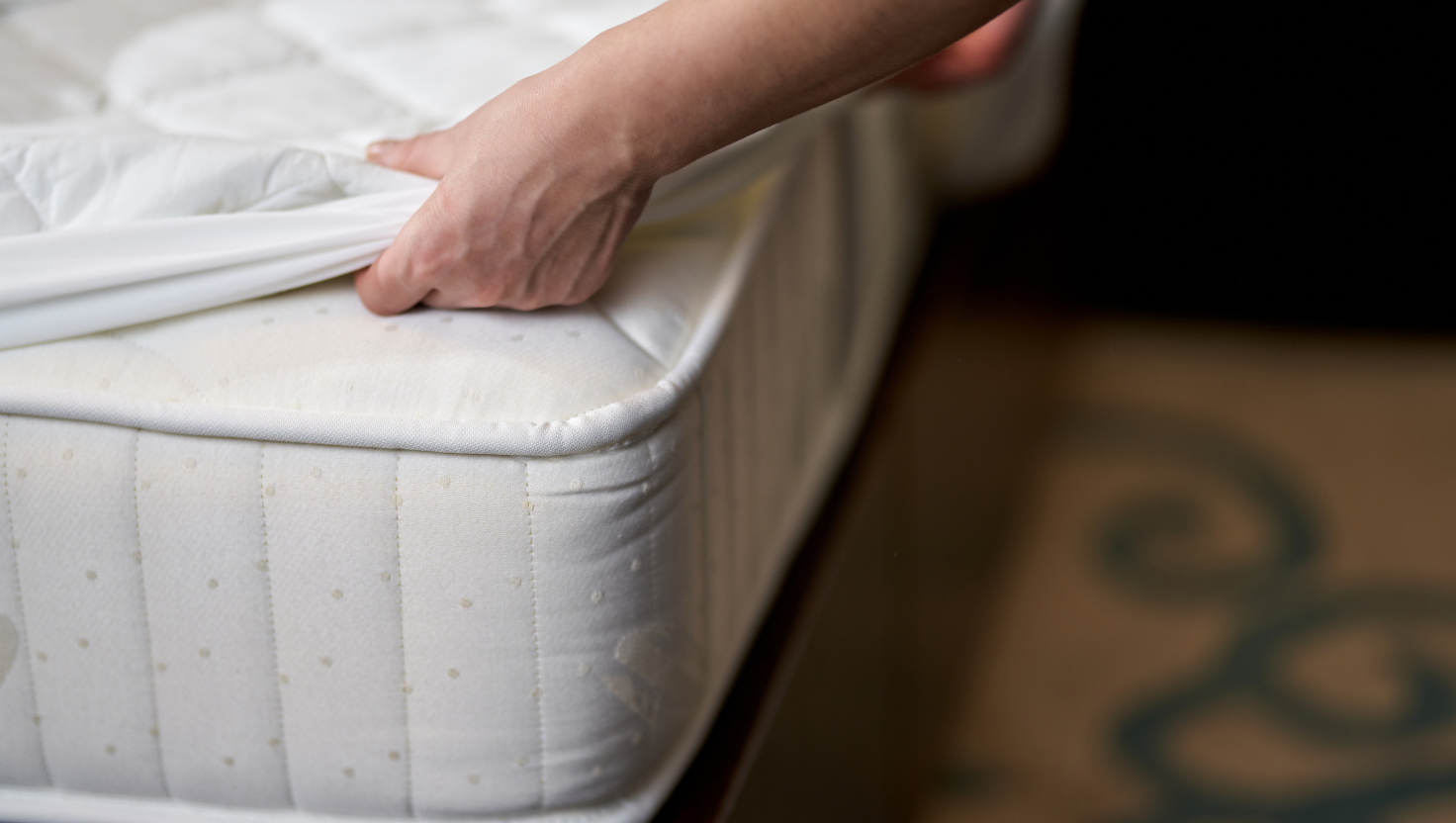
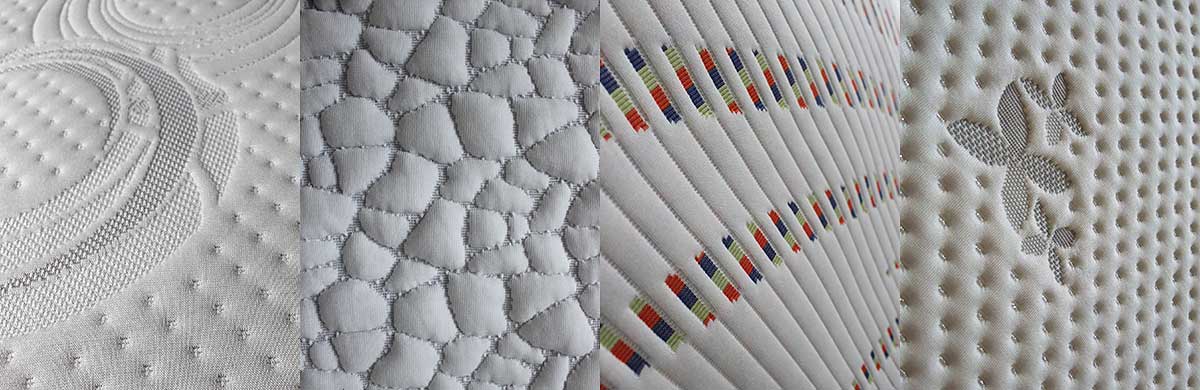
The cover is the material used to cover the mattress — the ticking. There are two main types: damask and knitted. They can vary quite drastically in terms of touch and functionality.
Damask Fabric
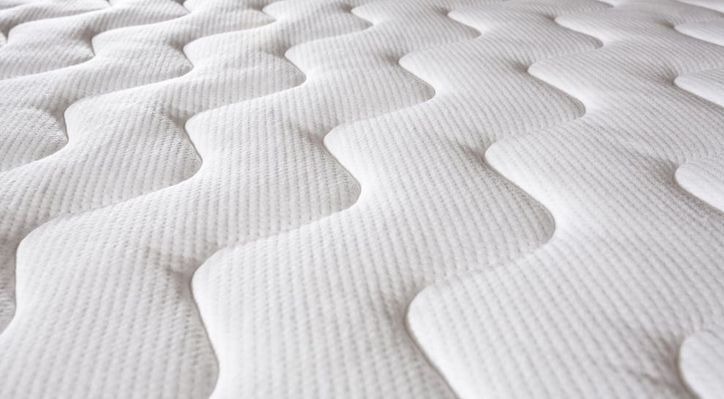
This is a woven fabric used on the majority of mattresses, generally termed “Belgian Damask” even though many damask fabrics are made outside of Belgium. Damask is soft to the touch, breathable, and flexible for the sleeper.
Knitted
Commonly referred to as a Micro-Quilt, knitted fabrics are extremely soft and (because of the flatter surface) are used mainly as a covering for memory foam or latex-topped mattresses. Usually made from polyester synthetic blends, knitted fabrics are not as breathable as damask fabrics.
Shop our full mattress selection. Surplus Furniture carries a wide variety of brand-name mattresses all at factory-direct pricing, ready for same-day delivery. Visit our warehouse today and SAVE.