
Mattresses typically last eight to 10 years. Understanding what influences mattress lifespan helps you determine when to replace it. Whether you need an innerspring or memory foam mattress, knowing when to buy a new one ensures a restful sleep.
Like all household items, mattresses don’t last forever — even the highest-quality ones.
You might be wondering, how long is a mattress good for before it loses its supportive edge? Understanding the factors that influence the lifespan of a mattress can help you get the most out of your investment and determine when to buy a new mattress for your home.
In this guide, we’ll discuss what makes a mattress last and the signs you should look out for when it needs to be replaced.
How Long Should a Mattress Last?
A mattress should typically last around eight years. This number varies depending on the quality and type of your mattress, as well as the sleep position of the person using it. How you care for the mattress also influences its lifespan. Consider buying a mattress topper or mattress protector to shield the material from natural wear and tear.
Innerspring Mattress: 5 to 8 Years
Innerspring mattresses are filled with coils. While this gives the bedding a distinctive bounce, the springs typically wear out faster than foam. On average, innerspring mattresses last between five and eight years.
Memory Foam Mattress: 8 to 10 Years
Memory foam mattresses can last eight to 10 years before losing their ability to contour around your body. You’ll know it’s time to replace your memory foam mattress when the material starts to sag.
When looking at factors that impact mattress lifespan, the density of the memory foam is key. High-density foam mattresses are better at preventing body impressions over time. To ensure you maximize the use of the memory foam, be sure to buy from high-quality brands you can trust.
Latex Mattress: 10 to 20 Years
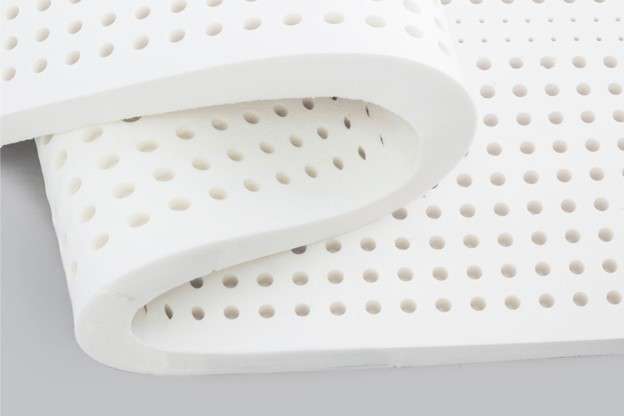
Not all mattresses are created equal, and latex mattresses are a prime example of durability. While synthetic latex is a budget-friendly option, a mattress made of natural latex typically has the longest average lifespan of any mattress type, sometimes lasting up to 20 years. These foam mattresses provide exceptional pressure relief by contouring to the body without the “sinking” feeling of standard foam.
Gel-infused Mattress: 8 to 10 Years
Gel-infused mattresses are often praised for their durability, offering lasting comfort and support. By incorporating gel particles into the mattress foam, manufacturers enhance the material’s resilience and resistance to wear and tear over time. This innovative technology not only helps maintain the mattress’s shape and support but also disperses heat more effectively.
Hybrid Mattress: 8 to 10 Years
Hybrid mattresses typically combine both memory foam and innerspring coils. They can last eight to 10 years. If your hybrid mattress is older than 10 years, it’s likely time to replace it soon.
Factors Influencing Mattress Lifespan
The lifespan of a mattress depends on several factors, including the quality of the material and its proper maintenance. Once the comfort layers begin to break down, knowing when to buy a new mattress becomes essential for maintaining your physical health and overall well-being.
Quality of the Mattress and Its Material
The quality of your mattress when you initially purchased it can significantly influence its lifespan. After all, a low-quality mattress is more likely to wear out than a higher-quality mattress. High-quality mattress materials include durable foam, resilient coils, and sturdy upholstery. The type of mattress also matters, as we discussed.
Body Weight and Sleep Position
Both your sleeping position and body weight can affect the lifespan of your mattress. Heavier weights exert more pressure, which can accelerate wear and tear. Different sleeping positions put varying levels of pressure on the mattress as well:
- Side sleepers may experience more concentrated pressure points.
- Back or stomach sleepers distribute weight more evenly.
Maintenance and Care
Proper mattress maintenance and care can significantly prolong the lifespan of a mattress.
- Ensure your new mattress is properly supported by a sturdy base to prevent uneven wear and tear, whether you use a box spring or a platform.
- Rotate or flip your mattress regularly to maintain a restful sleep.
- Use a mattress protector to extend the lifespan of your mattress. This layer shields your bed from moisture and dust mites, which are known to trigger asthma symptoms over time. A mattress topper can also provide a few more years of comfort to a current bed that is starting to show minor body impressions.
Signs You Should Replace Your Mattress
Still not sure when to replace your mattress? Consider the following:
- Comfort and settling: can you settle in quickly, and are you comfortable, or do you feel lumps and uneven wear?
- Morning aches: do you wake up with aches and pains all over your body that weren’t there the night before?
- Fatigue levels: do you wake up feeling tired despite getting enough sleep?
- Lack of support: does it feel like the mattress no longer holds your weight or provides pressure relief?
- Visible sagging: is it starting to get saggy or showing deep body impressions where you usually sleep?
- Allergy triggers: have you noticed an increase in allergies or asthma symptoms, which could be caused by dust mites in an old mattress?
- Odour issues: does it smell musty even after you have cleaned the mattress regularly?
- Age of the bed: has it been more than eight years since you purchased the mattress?
If you answered “yes” to any of these questions, consider it a sign to replace your mattress before it starts to impact your physical health.
FAQs About the Lifespan of a Mattress
How often should a mattress be replaced?
As a general guideline, most mattresses should be replaced every 7 to 10 years. However, the exact time frame will vary depending on the type of mattress and the condition of the materials used.
Can a mattress last 20 years?
It is rare for a mattress to last 20 years while remaining supportive. Over two decades, even durable materials like natural latex break down, and old mattresses accumulate dust mites and allergens that can impact your overall health and quality of sleep.
How do I know when my mattress needs replacing?
The most obvious sign is when you no longer feel a sense of restful sleep. Look for visible sagging, deep body indentations, or lumps that feel abnormal. Physically, if you wake up with persistent aches and pains or feel tired despite getting a good night’s sleep, it’s likely time to replace your mattress.
How can I make my mattress last longer?
Use a mattress protector to guard against spills, and regularly rotate your bed to prevent uneven wear. A quality mattress topper can also provide pressure relief and help you get a few more years of use.
How often should you flip your mattress?
To prevent uneven wear, it is recommended that your mattress be rotated regularly (every 3 to 6 months).
Upgrade Your Mattresses at Surplus Furniture
Whether you’re in the market for a new mattress or trying to prolong the life of your old one, knowing the answer to the question “How long should a mattress last?” can help you make informed decisions about these investments. If you’re ready to dive into a new, high-quality mattress, Surplus Furniture is here to help.
Our quality brand-name mattresses offer the best value at factory-direct prices, ensuring customers get affordable, premium sleep. Choose from our extensive catalogue and enjoy same-day delivery or free in-store pickup at any of our 30+ locations across Canada.